Invited Speakers
-
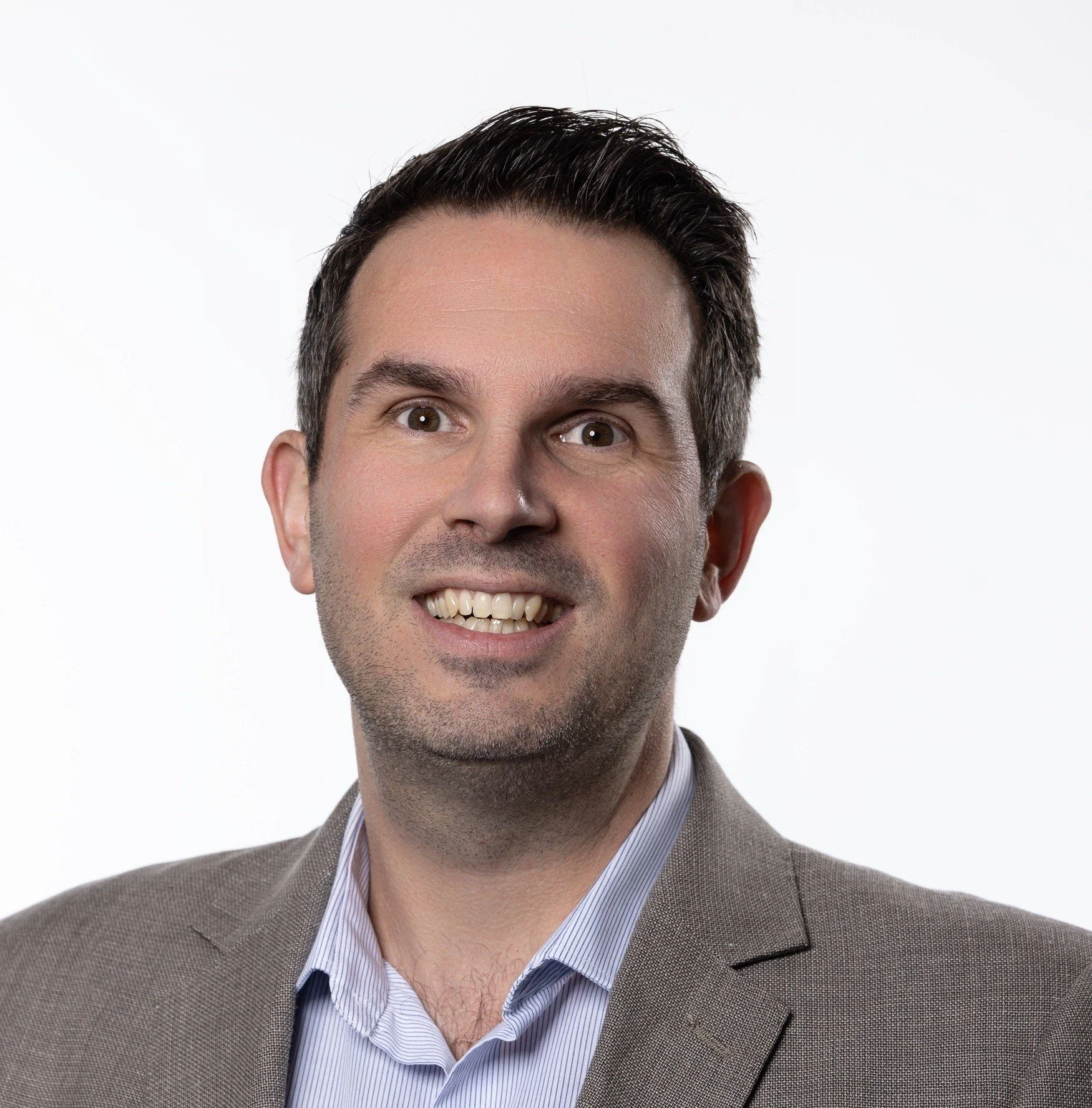
Dr Bart Eijkelkamp
FLINDERS UNIVERSITY
Read MoreDr Bart Eijkelkamp is an Associate Professor of Microbiology at Flinders University and investigates how the host nutritional status shapes pathogen fitness and virulence at the host–pathogen interface. His team focuses on dietary lipids and antimicrobial free fatty acids, asking how pathogens ‘make or take’ distinct fatty acids, remodel membranes, and exploit host lipid pools during infection. Combining infection models with lipid biology and molecular microbiology, the lab maps niche-specific microbe–lipid interactions and tests whether shifting the host fatty-acid composition can promote bacterial clearance and enhance antibiotic efficacy. Bart trained in biomolecular sciences (MSc, Vrije Universiteit Amsterdam) and completed a PhD in molecular microbiology at Flinders (2012), before postdoctoral work at the University of Adelaide and returning to Flinders in 2019. Supported by a Theo Murphy Initiative (Australia) Amplify Activity Award, he founded The Lipid Network and serves as its President; this global platform launched in April 2026.
-
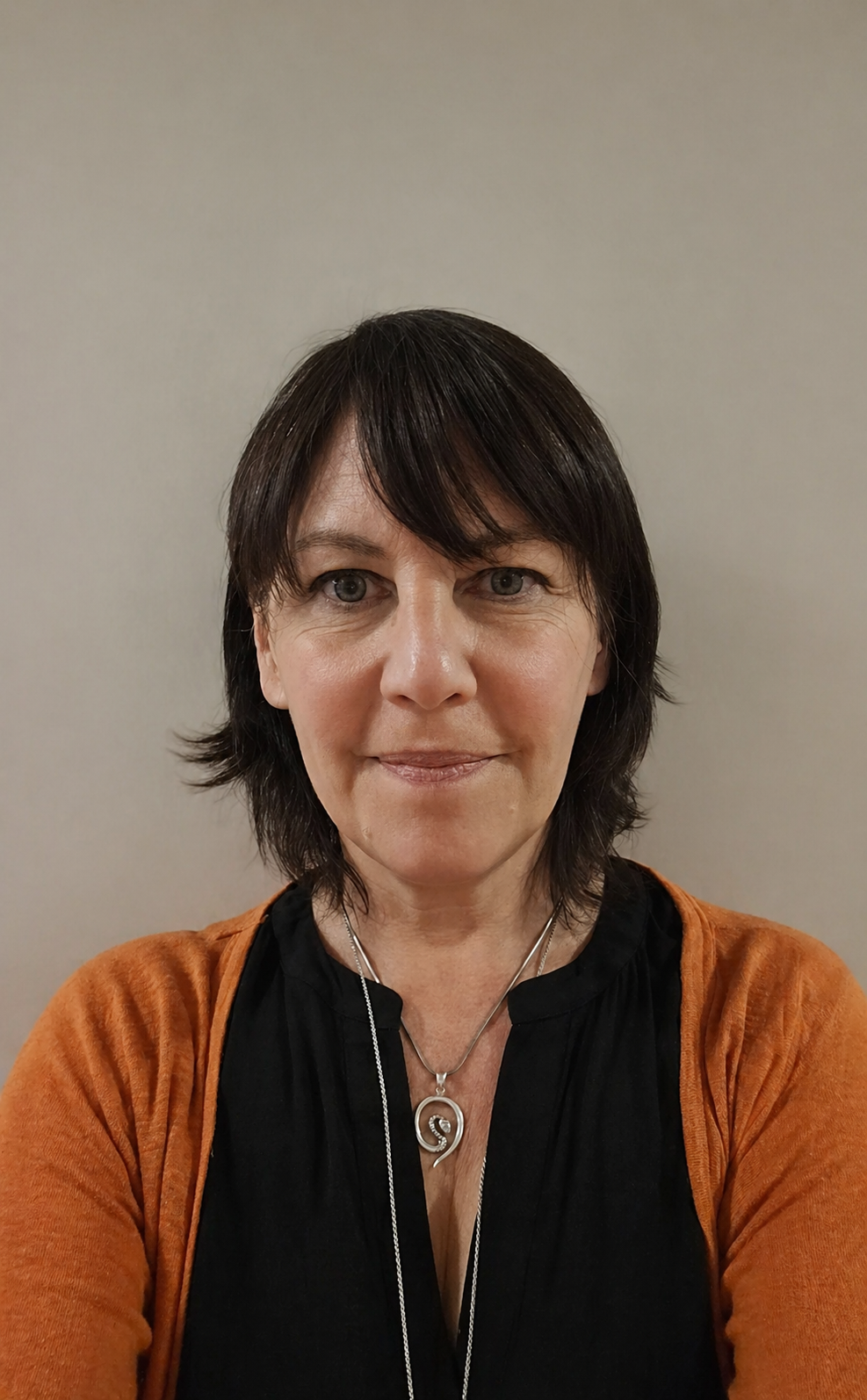
Dr Carola Venturini
UNIVERSITY OF SYDNEY
Read MoreDr Carola Venturini is a Postdoctoral Fellow and Lecturer at the University of Sydney (USyd; Australia). She is an expert microbiologist whose work focusses on the investigation of antimicrobial resistance mechanisms and innovative solutions against multidrug resistant infectious bacteria, using a multidisciplinary approach. She started her studies at the Universita’ degli Studi di Trieste (Italy) and completed her PhD in molecular biology at the University of Wollongong (Australia), investigating antimicrobial resistance, virulence and mobile genetic elements in pathogenic enterobacteria, which remains a main research interest. Post-PhD, Carola spent three years at The University of Queensland and eight at the Centre of Infectious Diseases and Microbiology at The Westmead Institute for Medical Research (Sydney; continued affiliation), where she led large-scope projects investigating human pathogens, gut microbiome health related to antibiotic use, and use of bacteriophages to combat bacterial infections. Since 2021, at USyd as group leader, her work on antimicrobial resistance and bacteriophages has expanded to animal settings, with a truly One Health approach. Her current work also includes investigation of bacterial adaptive responses to bacteriophage attack (NHMRC (Aus Gov) funded).
-
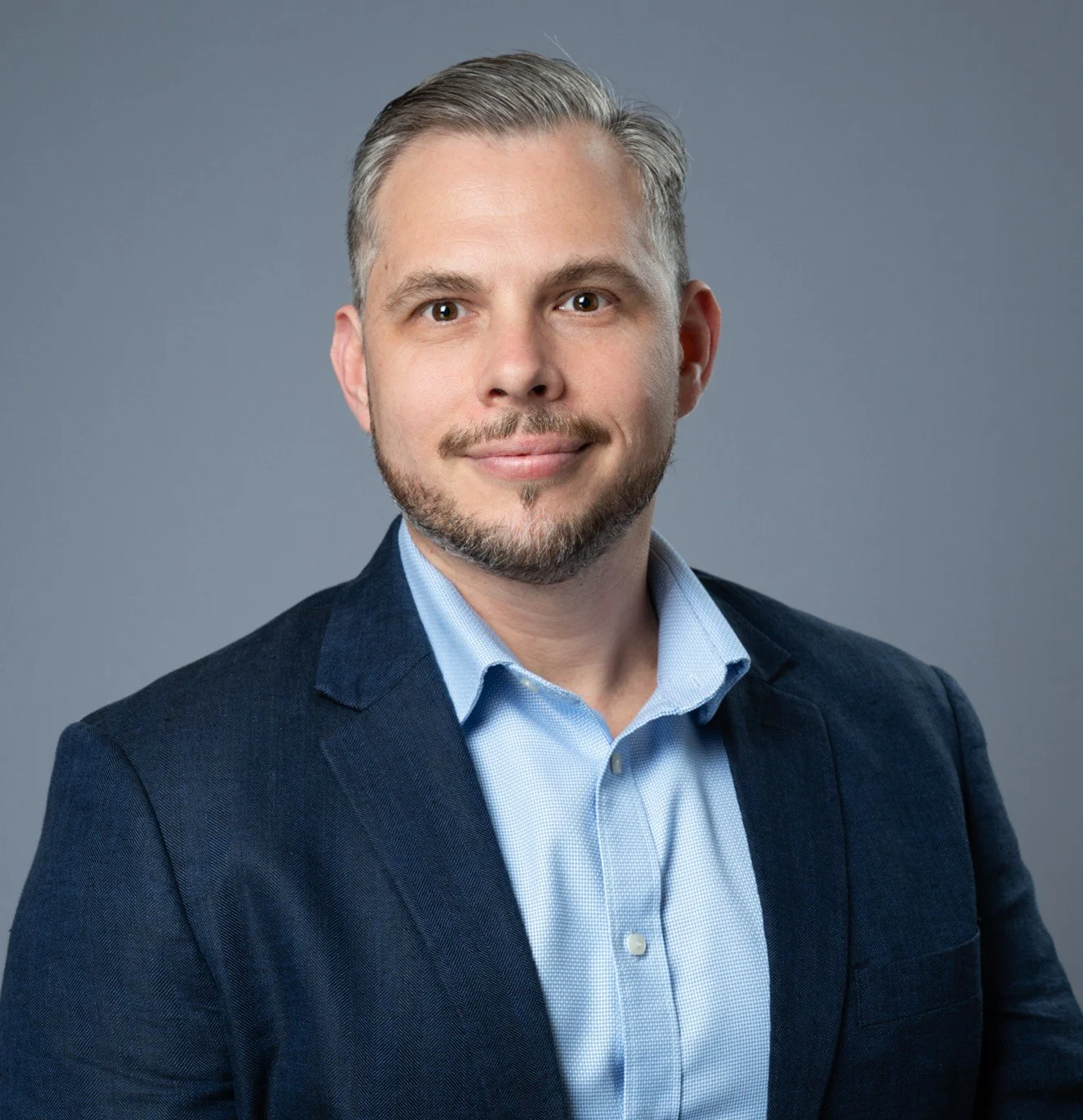
Professor Christopher McDevitt
UNIVERSITY OF MELBOURNE
Read More
Professor Christopher McDevitt obtained his B.Sc. (Hons) and PhD in microbiology at the University of Queensland. He then undertook two postdoctoral roles studying membrane transport proteins at the University of Oxford, UK. In 2008, he relocated from Oxford to the University of Adelaide, Australia, to take up a position in the Research Centre for Infectious Disease (RCID). From 2012 he was an independent research fellow in the RCID leading his own research group and, in 2014 he was appointed as the inaugural Deputy Director of the RCID. In 2016 he established a second university centre, the Australian Centre for Antimicrobial Resistance Ecology (ACARE) with Prof. Darren Trott and also served as the inaugural Deputy Director. In 2017, he was awarded an ARC Future Fellowship and, in 2018 he was recruited to the Department of Microbiology and Immunology, University of Melbourne.
-

Dr Desirel Ng
MONASH UNIVERSITY
Read More
Desirel Ng is a postdoctoral researcher at the Monash University Biomedicine Discovery Institute (BDI) who specialises in understanding host-pathogen dynamics during gut infections. Her work explores the interactions of Clostridioides difficile infection with the internal body clock and the brain, with the aim of identifying tractable extraintestinal targets for improving infectious gut disease outcomes. Prior to her postdoctoral role, she completed her PhD in microbiology from Monash University (Australia) and graduated with the highest distinction across three degrees in biomedical science and psychology, receiving the Dean’s List Science Award in each consecutive year. Beyond research, she is passionate about facilitating cohesion between art, literature and science by engaging the wider community in university settings, public events and underrepresented groups. She produced tactile artwork with a legally blind artist to teach autoimmunity to the low-vision community and animated her research as the second runner-up in the Monash University-wide Visualise Your Thesis competition. She has also created promotional material for science outreach events as Australia’s Pint of Science Annual Digital Artist and Australian Microbial Ecology Conference (AusME24) T-shirt designer. At the BDI, she was the in-house designer for the BioEYES K-12 science education program, BDI Early Career Researcher symposium and produced slides for the Director and Dean of the BDI. She is a current member of the Australian Society for Microbiology (ASM) and was selected as a finalist speaker for the state-wide ASM Dena Lyras Early Career Researcher Award in 2026.
-
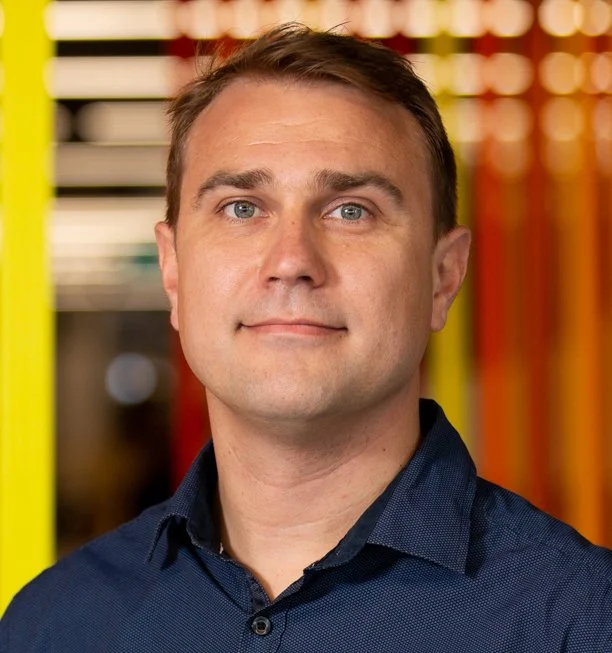
Associate Professor Jai Tree
UNIVERSITY OF NEW SOUTH WALES
Read More
Jai Tree is an Associate Professor at UNSW Sydney working on bacterial RNA biology, with a particular focus on how small regulatory RNAs control virulence, stress responses, and antibiotic resistance in pathogenic bacteria. His lab combines molecular microbiology, RNA biology, and transcriptomics to understand how bacteria adapt during infection and survive antimicrobial treatment.
Over the past decade, his research has helped uncover how RNA–RNA interaction networks control gene expression in pathogens including Staphylococcus aureus and pathogenic E. coli. His group has contributed to the development and application of transcriptome-wide approaches for studying bacterial RNA regulation, helping to reveal new mechanisms that control toxin production, virulence, and antimicrobial resistance. More recently, the lab has been exploring how bacterial RNA decay pathways might be exploited for new antimicrobial strategies using antisense oligonucleotides for programmable RNA decay.
Jai completed his PhD at the University of Queensland and undertook postdoctoral research at The Roslin Institute, Wellcome Centre for Cell Biology (University of Edinburgh, UK), and Peter Doherty Institute (University of Melbourne) before joining the School of Biotechnology and Biomolecular Sciences at UNSW Sydney.
Outside the lab, Jai is involved in teaching, postgraduate research training, and is an active member of the ASM.
-
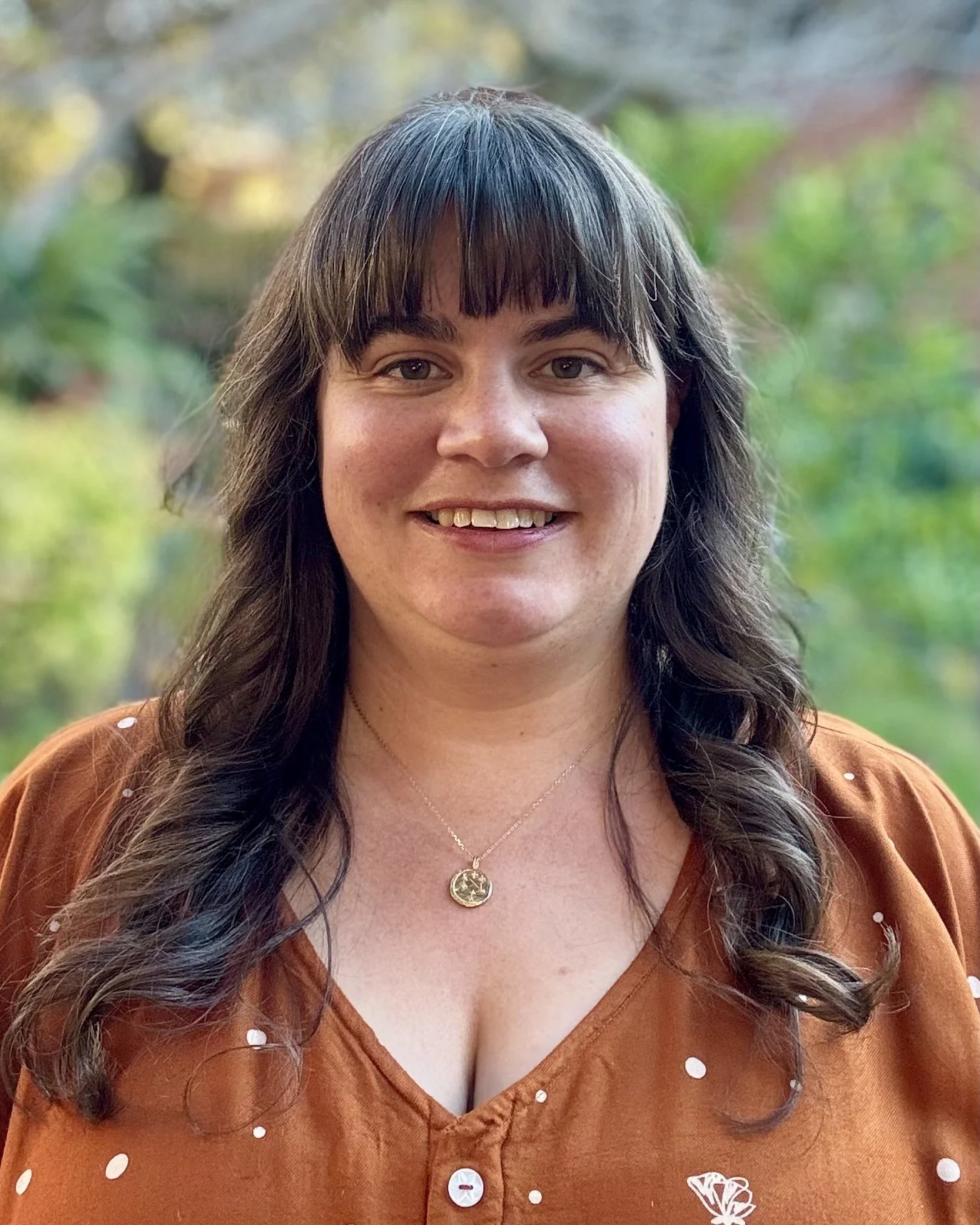
Dr Jane Hawkey
MONASH UNIVERSITY
Read More
Dr Jane Hawkey is an NHMRC Emerging Leadership Fellow in the Department of Infectious Diseases, where she co-leads the Translational Microbial Genomics Program. As a computational microbiologist, her research uses genomics to understand the evolution, resistance mechanisms, and transmission pathways of high-priority bacterial pathogens. She completed her PhD at the University of Melbourne and with a focus on mobile genetic elements and antimicrobial resistance.
She has developed several tools for the surveillance of enteric pathogens, having developed genotyping tools for Shigella, Salmonella Typhi, and Salmonella Paratyphi B. Her work on Shigella has been utilised globally for tracking emergence of multidrug-resistant lineages, and providing the research and public health communities with methods required to track Shigella across borders and improve communication between labs. Currently, she is the lead bioinformatician for the global AMRrules consortium, which aims to establish international standards for interpreting genotypic antimicrobial resistance in an organism-specific framework. -
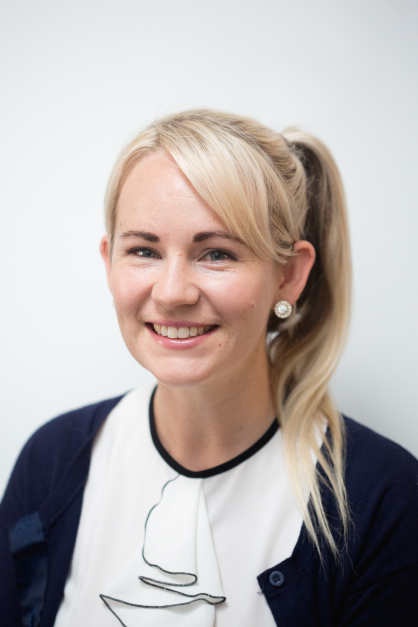
Dr Janessa Pickering
UNIVERSITY OF WESTERN AUSTRALIA
Read More
Dr Janessa is a Research Fellow in the Group A Streptococcus Pathogenesis and Diagnostics team (The Kids Research Institute), and holds a University of Western Australia adjunct position. Her expertise is in the molecular diagnostics and host pathogen interactions of upper respiratory tract pathogens that cause disease in children including Neisseria meningitis, Haemophilus influenzae and Streptococcus pneumoniae. Her current research is focused on the colonisation and infection of group A Streptococcus in paediatric populations and discovering new ways to prevent infectious complications including rheumatic heart disease. She holds two current NHMRC Ideas grants and a Stan Perron Charitable Foundation Fellowship, and leads a team of postdocs, students and research assistants. She is passionate about genuine consumer involvement in research, developing the next generation of researchers and research advocacy (Western Australian Cardiovascular Research Alliance Board Chair).
-
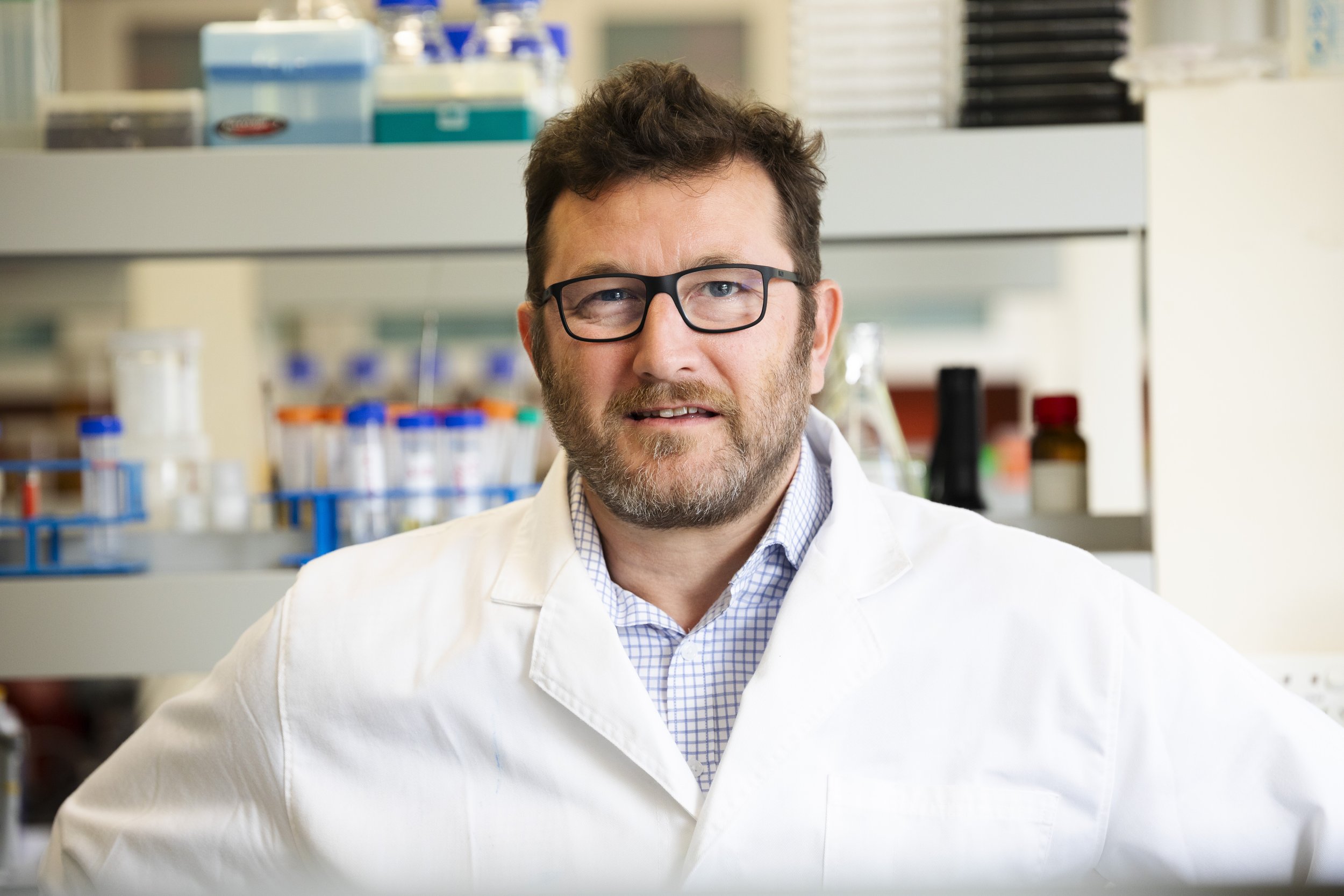
Associate Professor Karl Hassan
Read More
Karl Hassanisan Associate Professor at the University of Newcastle. Karl is a molecular microbiologist with expertise in functional genomics and protein biochemistry/biophysics. Karl’s research broadly examines mechanisms of small molecule transport in bacteria, the physiology of bacterial cell envelopes and bacterial global regulatory networks. Karl has current research projects investigating antimicrobial drug resistance in Gram-negative bacteria, microbial metal ion homeostasis, plant pathogen suppression by biocontrol bacteria and tools for exploiting bacteria in the production of high-value chemicals.
Image credit to Katherine Williams
-
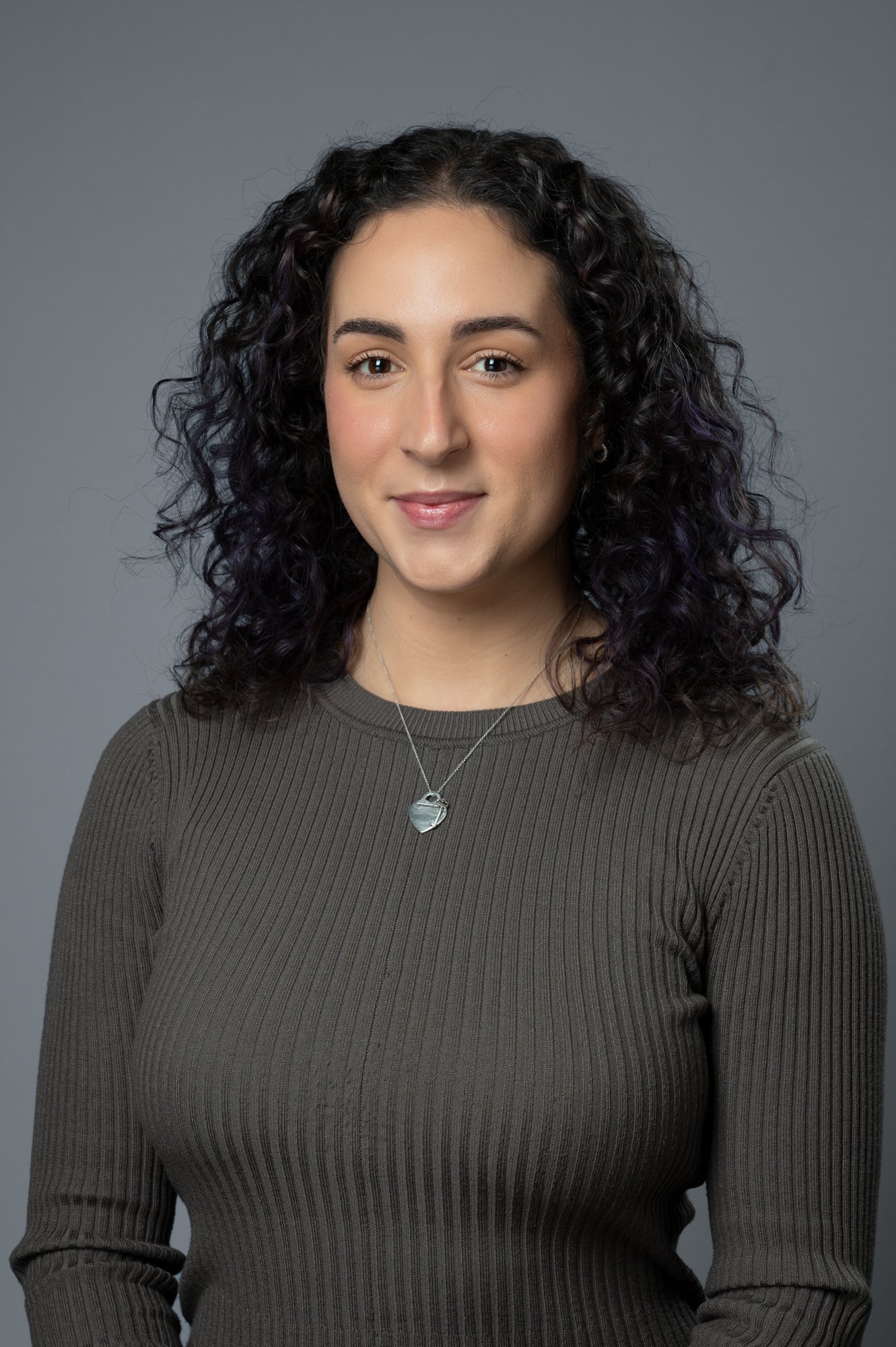
Dr Lauren Zavan
UNIVERSITY OF MELBOURNE
Read More
Dr Lauren Zavan is a Research Officer in the McDevitt laboratory at the Peter Doherty Institute for Infection and Immunity, University of Melbourne. Her work examines the chemical biology at the host-pathogen interface with a particular focus on elucidating the molecular mechanisms of zinc homeostasis in the Gram-negative pathogens Klebsiella pneumoniae and Pseudomonas aeruginosa. Lauren’s research uses multi-dimensional metalloproteomics, bioinformatics, and molecular microbiology approaches to generate a holistic understanding of essential bacterial systems that enable their survival in metal ion restricted environments. Prior to her role in the McDevitt group, she received her PhD in Microbiology at La Trobe University in 2023, where she studied the composition and functions of bacterial membrane vesicles.
-
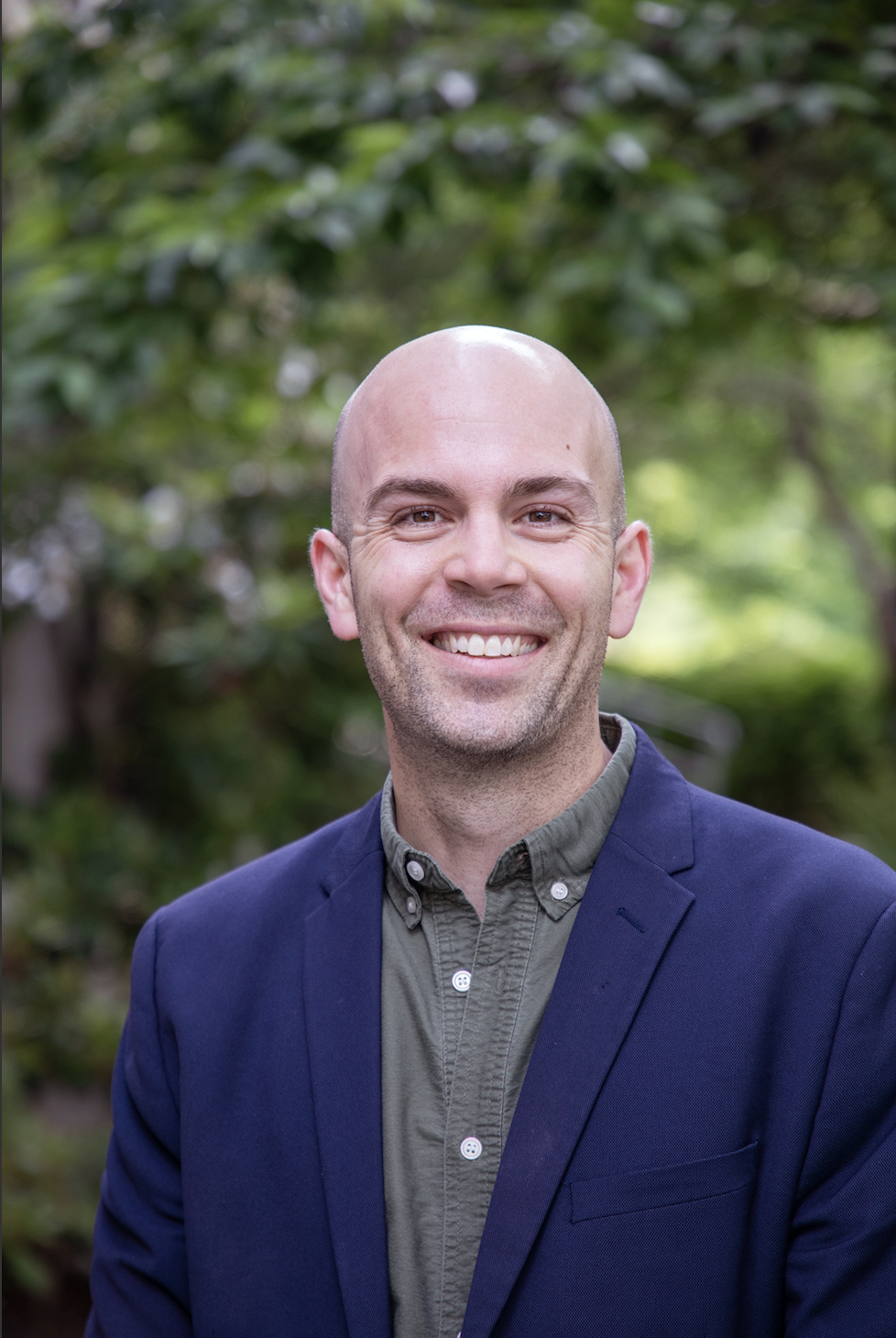
Dr Matthew McNeil
UNIVERSITY OF OTAGO
Read More
Dr. Matthew McNeil is a microbiologist based in the Department of Biochemistry at the University of Otago. Dr. McNeil has previously held post-doctoral positions in France (Centre national de la recherche scientifique, Gif-sur-Yvette Campus) and in biotechnology companies in the United Stats of America advancing novel small molecules for infectious diseases therapy. Currently Dr. McNeil’s research is focused on understanding bacterial drug resistance with an emphasis on mycobacterial pathogens, including Mycobacterium tuberculosis a leading cause of infectious disease morbidity and mortality. This work applies a variety of approaches including antimicrobial susceptibility assays, functional genomic technologies including recombineering and CRISPR-interference, high-throughput genetic screens and other omic technologies. Through collaborations with structural biologists, biochemists, medicinal chemists, and infectious disease experts the long-term aim of this work is to drive the development of technologies and therapeutic strategies to predict and prevent the evolution of antibiotic resistance.
-
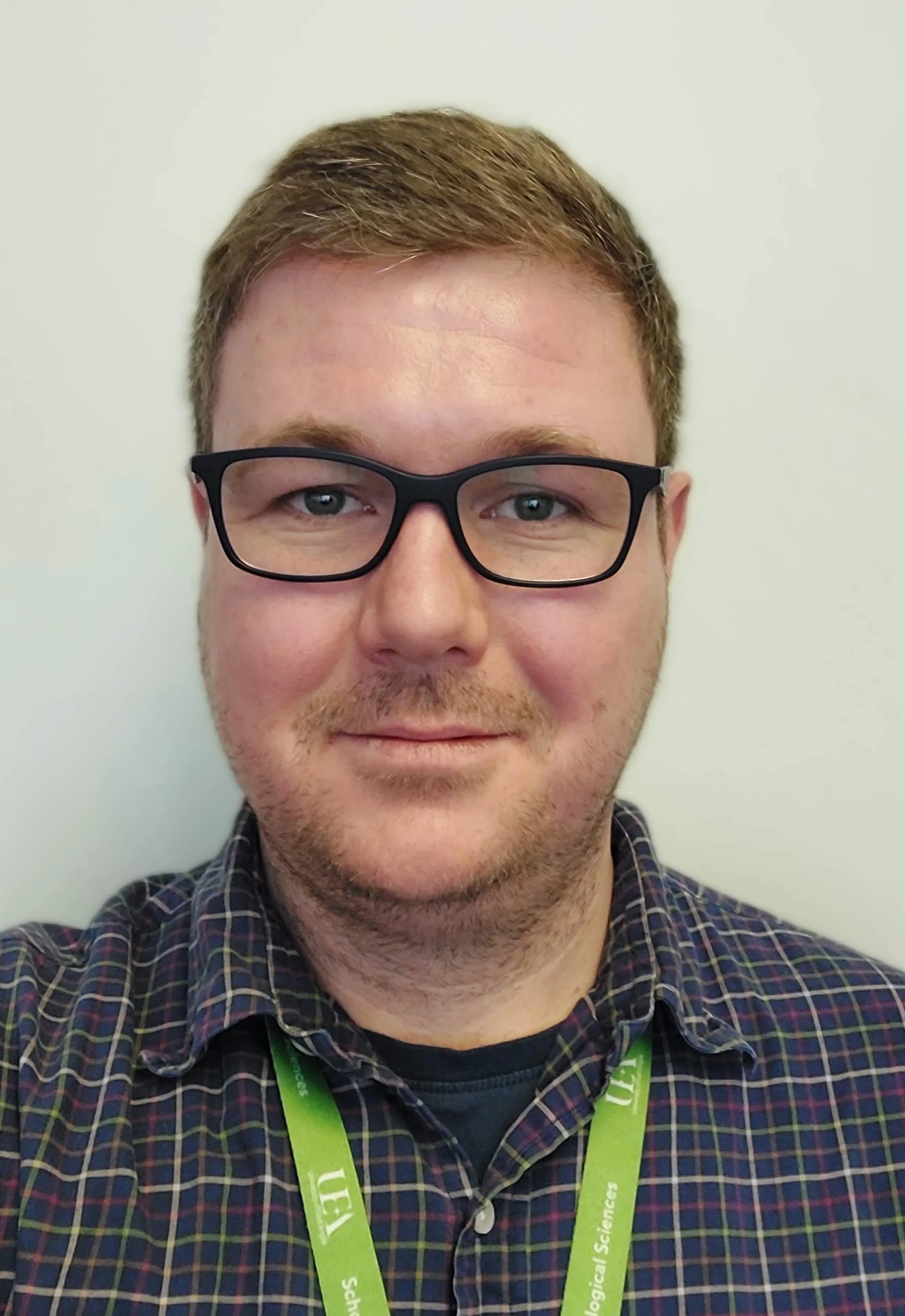
Dr Matt Sullivan
UNIVERSITY OF WESTERN AUSTRALIA
Read More
Dr Matt Sullivan is a Senior Lecturer in the School of Biomedical Sciences at The University of Western Australia (UWA) and a Research Group Leader at the Marshall Centre for Infectious Diseases. His research programme focuses on bacterial metal resistance, gene regulation, and their roles in virulence and pathogenesis. He currently leads an internationally connected research team investigating how Group B Streptococcus adapts to and exploits host metal environments during infection.
Matt received his BSc (Hons) in Microbiology in 2007 and his PhD in Molecular Microbiology in 2012 from the University of East Anglia (UEA), Norwich, UK. He undertook postdoctoral training at UEA and at Griffith University (Queensland), building expertise across environmental, marine, and pathogenic microbiology. In 2022, he established his independent laboratory at UEA with support from the Academy of Medical Sciences’ prestigious Springboard Award and the Royal Society, marking a key step in his transition to independent research leadership. He currently holds competitive funding from the UK Biotechnology and Biological Sciences Research Council (BBSRC) and Australian NHMRC through international and national collaborations.
Matt’s research is grounded in bacterial genetics and metabolism and is characterised by a strong cross‑disciplinary approach. He has made influential contributions to understanding dimethylsulfoniopropionate (DMSP) catabolism in marine bacteria, copper‑dependent regulation of denitrification in soil bacteria, and regulatory cross‑talk controlling metal resistance in bacterial pathogens. His current work focuses on defining the metabolic and regulatory pathways that enable Group B Streptococcus to survive metal intoxication and establish infection. These studies form a central pillar of ongoing research in his laboratories at the Marshall Centre for Infectious Diseases at UWA and his adjunct laboratory at UEA.
-

Professor Mark Blaskovich
UNIVERSITY OF QUEENSLAND
Read More
Prof. Mark Blaskovich is an ‘antibiotic hunter’ and Director of Translation for the Institute for Molecular Bioscience at The University of Queensland. He also leads the ARC Industrial Transformation Training Centre CEAStAR (Centre for Environmental and Agricultural Solutions to Antimicrobial Resistance) and the antibiotic crowdsourcing initiative CO-ADD (Community for Open Antimicrobial Drug Discovery). A medicinal chemist with 15 years of industrial drug development experience, since 2010 he has been developing new antibiotics and diagnostics to detect and treat resistant bacterial and fungal infections. Blaskovich is a member of the WHO antibiotic pipeline advisory panel and chairs the GARDP REVIVE review panel.
-
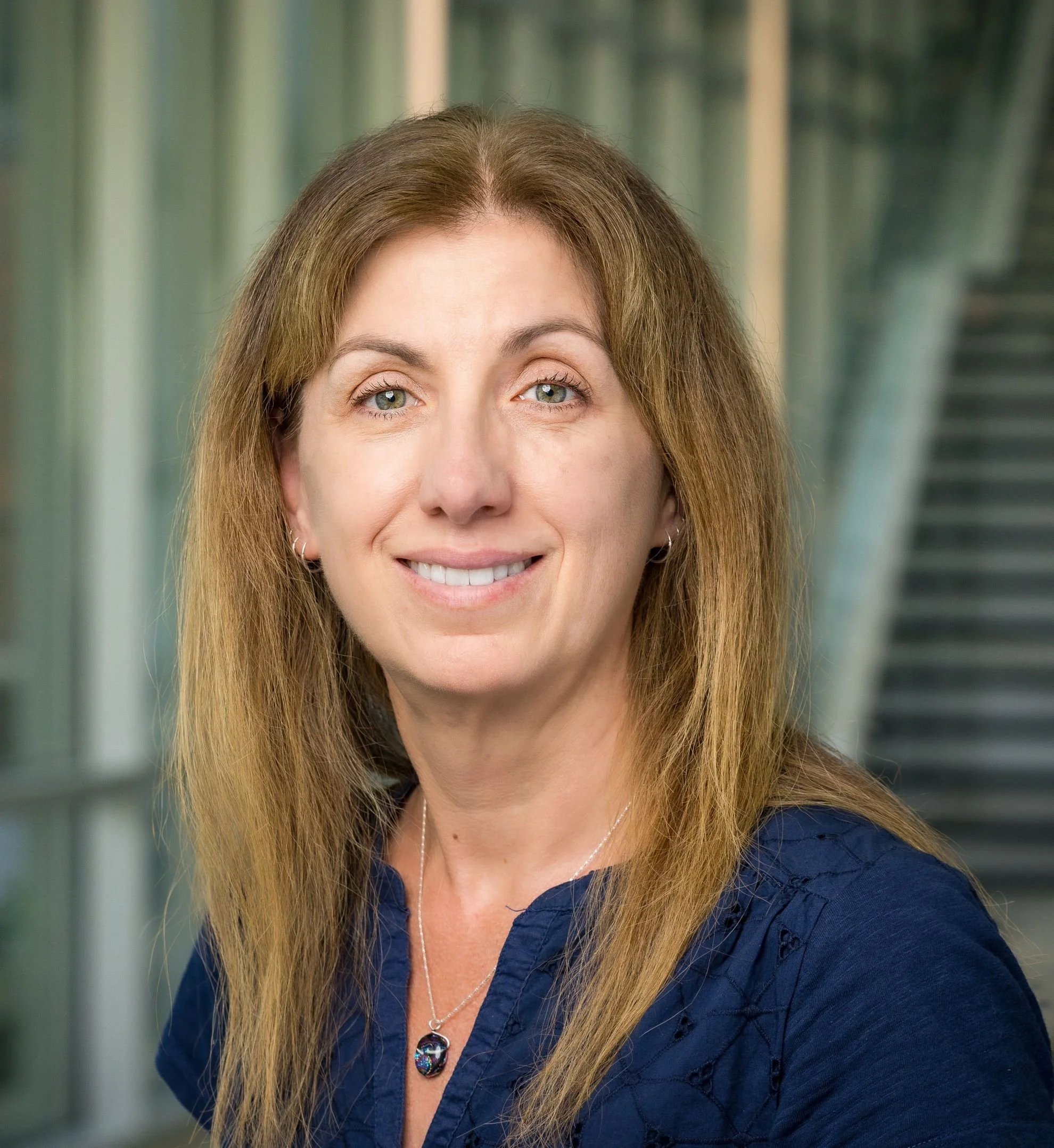
Dr Mary Burtnick
UNIVERSITY OF NEVADA
Read More
Dr. Mary Burtnick is a Professor in the Department of Microbiology and Immunology at the University of Nevada, Reno School of Medicine, USA, and an Adjunct Professor in the Department of Microbiology and Immunology within the Faculty of Tropical Medicine at Mahidol University, Thailand. Her research focuses on elucidating the molecular strategies employed by Burkholderia pseudomallei, a facultative intracellular pathogen, to survive and persist within eukaryotic host cells. Dr. Burtnick’s laboratory is particularly interested in the role of virulence-associated secretion systems in mediating intracellular survival, replication, and host-pathogen interactions within a variety of human and murine cell types. By dissecting these mechanisms at the molecular level, her work aims to advance understanding of how this pathogen evades host defenses and establishes infection. A central goal of her research program is to translate insights from host-pathogen interaction studies into practical applications. Her team seeks to identify and characterize immunologically relevant antigens that can inform the development of novel vaccines, improved diagnostics, and targeted immune assays to combat melioidosis and related diseases. Through this integrated approach, Dr. Burtnick’s work contributes to both fundamental microbiology and the advancement of strategies to address infections caused by this important bacterial pathogen.
-
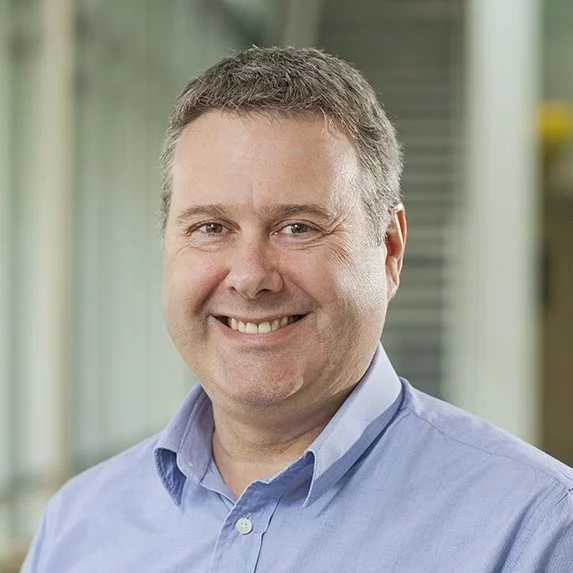
Dr Paul Brett
UNIVERSITY OF NEVADA
Read More
Dr. Paul Brett is a Professor in the Department of Microbiology and Immunology at the University of Nevada, Reno School of Medicine, USA, and an Adjunct Professor in the Department of Microbiology and Immunology within the Faculty of Tropical Medicine at Mahidol University, Thailand. With more than 30 years of experience studying Burkholderia pseudomallei, he has developed extensive expertise in Burkholderia genetics, bacterial pathogenesis, host-pathogen interactions, carbohydrate purification and characterization, glycoconjugate synthesis, and the analysis of humoral and cellular immune responses. Dr. Brett’s early research focused on elucidating the molecular mechanisms by which B. pseudomallei evades host immune defenses. This work has since evolved into three primary research areas: immune therapeutics, diagnostics, and vaccine development for melioidosis. In immune therapeutics, his laboratory investigates the use of monoclonal antibodies in combination with antibiotics to improve treatment outcomes for melioidosis. His group also collaborates closely with partners in Thailand to help develop rapid, point-of-care diagnostic approaches that enable timely and accurate identification of the disease. In parallel, his research seeks to identify correlates of antigen-induced immunity to B. pseudomallei and to apply this knowledge toward the development of safe, affordable, and effective vaccines against melioidosis. Through these efforts, Dr. Brett’s research advances both the fundamental understanding of bacterial virulence mechanisms and the development of medical countermeasures against this high-consequence pathogen.
-
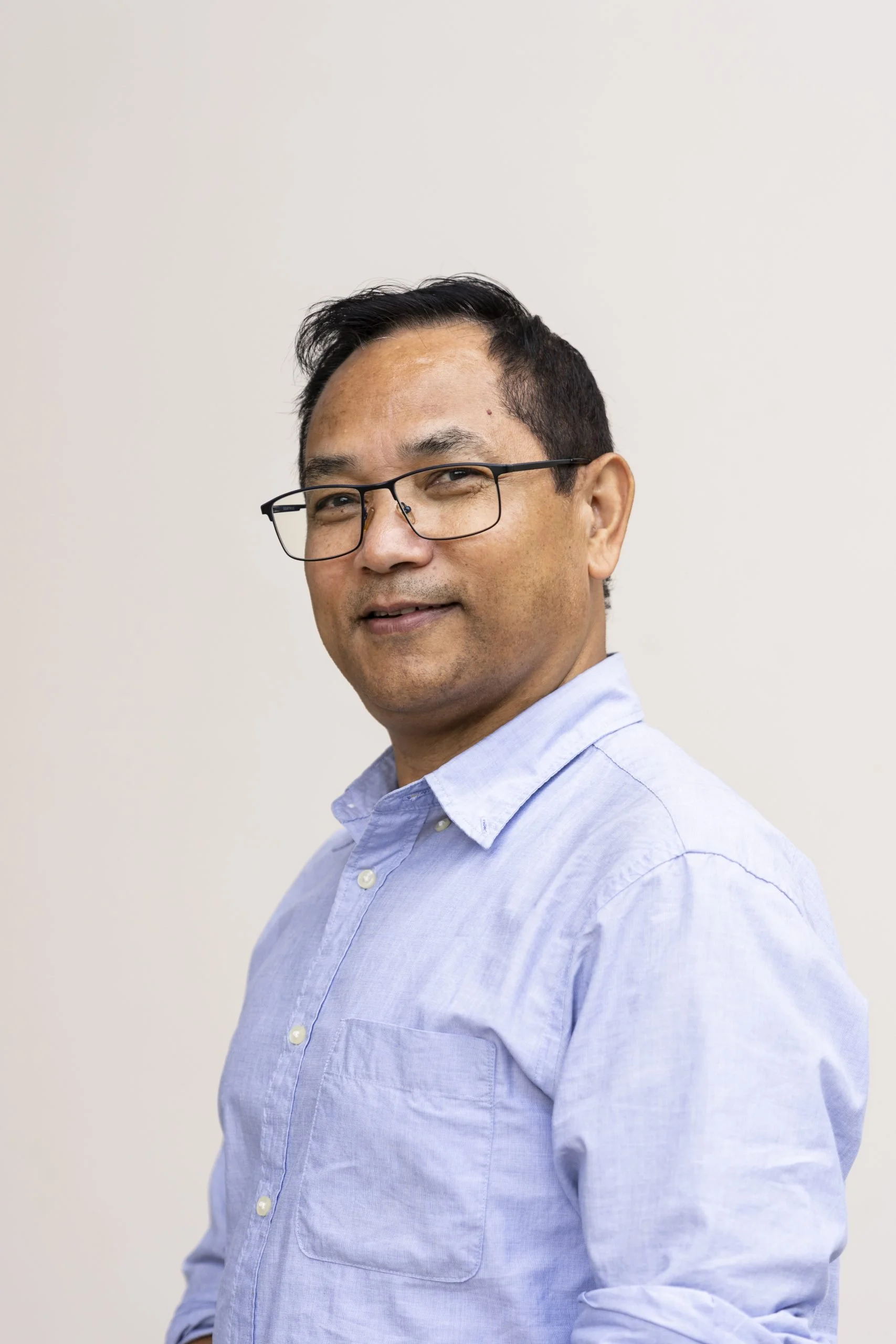
Dr Ram Maharjan
MACQUARIE UNIVERSITY
Read More
Dr. Ram Maharjan is a Senior Research Fellow at Macquarie University, Sydney, Australia, where he investigates the molecular and evolutionary mechanisms that enable bacteria to survive and adapt under hostile conditions. He received his Ph.D. from the University of Sydney in 2008 and has since established a research program integrating functional genomics, molecular biology, and experimental evolution to understand how stress responses shape genome dynamics, antimicrobial resistance, and pathogen fitness.
Trained in microbial evolution and population biology, Dr. Maharjan has developed a distinctive interdisciplinary approach that bridges genomics and evolutionary theory. He has contributed to influential studies published in leading journals, including Science, PLOS Biology, and Nucleic Acids Research, advancing understanding of bacterial adaptation and the emergence of antibiotic resistance.
His research focuses on the opportunistic pathogen Acinetobacter baumannii, a major cause of hospital-acquired infections with exceptional tolerance to desiccation, oxidative stress, and antibiotics. Using integrated functional genomics approaches, his work defines key regulatory networks underlying bacterial stress adaptation, identifying central regulators such as DksA and the extracytoplasmic function sigma factor σX that coordinate stress resilience, genome stability, mutation rates, and virulence.
Dr. Maharjan’s research provides important insights into the evolution of clinically significant pathogens and identifies potential molecular targets to limit antimicrobial resistance. At BacPath 2026, he will present his latest findings on how coordinated regulatory networks enable bacterial survival and pathogenicity under extreme environmental pressures.
-
Dr Romain Guérillot
UNIVERSITY OF MELBOURNE
Read More
Romain Guérillot is a Research Fellow in the Howden and Stinear laboratories at the Peter Doherty Institute for Infection and Immunity, University of Melbourne. He studies the intersection of bacterial evolution and infectious diseases. He completed his PhD at the Pasteur Institute and has spent much of his career at the Doherty Institute investigating how bacterial pathogens adapt. Romain also brings leadership experience from the biotechnology industry, having served as Head of Bioinformatics and Data Science at DEINOVE. In this role, he led the data integration for a high-throughput drug discovery platform, combining genome mining, metagenomics, metabolomics, and bioactivity screening to prioritise novel antimicrobial leads.
His research focuses on how pathogens such as Staphylococcus aureus survive antibiotics and host immune pressures. He integrates experimental microbiology and infection models with population-level functional genomics. He applies large-scale genomic analyses, multi-omics, and high-throughput phenotyping to identify rapid molecular changes that allow bacteria to adapt and persist across different host niches.
A central theme of his work is phenotypic heterogeneity driven by reversible genetic mechanisms. He characterises how frequent genetic switches, from large-scale chromosomal rearrangements to phase-variable simple sequence repeats, enable bacterial populations to rapidly toggle critical traits such as intracellular persistence, antibiotic resistance, and immune evasion. By decoding these mechanisms, his research aims to provide a high-resolution view of microbial adaptation during infection. His goal is to decode the genetic mechanisms underlying rapid bacterial adaptation, and to use this knowledge to develop better therapeutic strategies and diagnostics.
-
Dr Yoshikazu Kawai
UNIVERSITY OF SYDNEY
Read More
Yoshikazu Kawai is a senior researcher in the laboratory of Professor Jeff Errington at the University of Sydney. His research includes bacterial morphogenesis, antibiotic resistance, and L-form bacteria.
He received his PhD in bacterial genetics and cell biology from the NAIST in Japan in 2003, followed by postdoctoral appointments in the Errington group at the Centre for Bacterial Cell Biology in the UK. The lab has recently relocated to Sydney.
His landmark discovery on Bacillus subtilis revealed the molecular basis for switching in and out of the cell wall-deficient “L-form” state, allowing bacteria to completely resist cell wall-active antibiotics and evade some host immune defences. Over the last decade or so, his work has established how they originate, how they grow and divide in the absence of a cell wall, and the constraints on their growth and viability.
His current research focuses on establishing a model to investigate the importance of L-forms in persistent or recurrent infections and potential starting points for developing new therapeutic strategies.